



Ask a question
₹ 259
₹ 254



People are viewing this right now
Estimate delivery times: 4-8 days (India),
Return within 4 days of purchase. Duties & taxes are non-refundable.
Guarantee Safe
Checkout





Share


A Return and Refund Policy is a policy that describe your business's process, policies and requirements for accepting returns.
In this article we'll discuss Return and Refund Policies for ecommerce stores, whether you're legally required to have one, what to include in one, where you should display it, and more.
We've also put together a Sample Return and Refund Policy Template that you can use to help write your own.
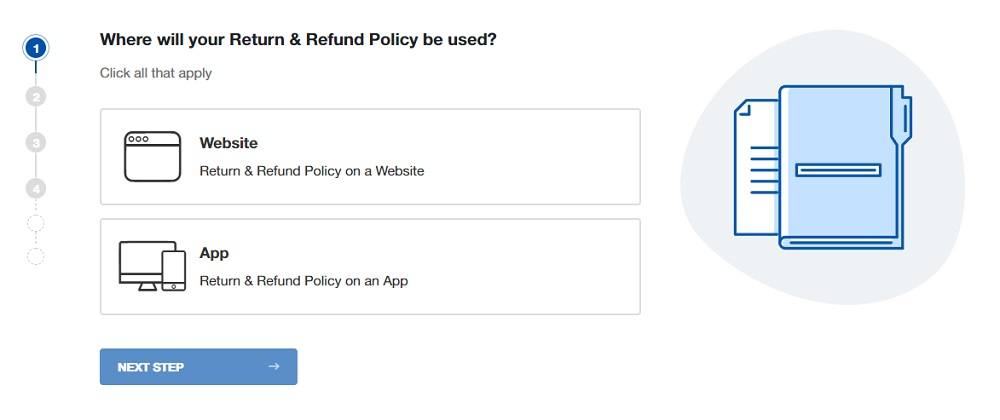
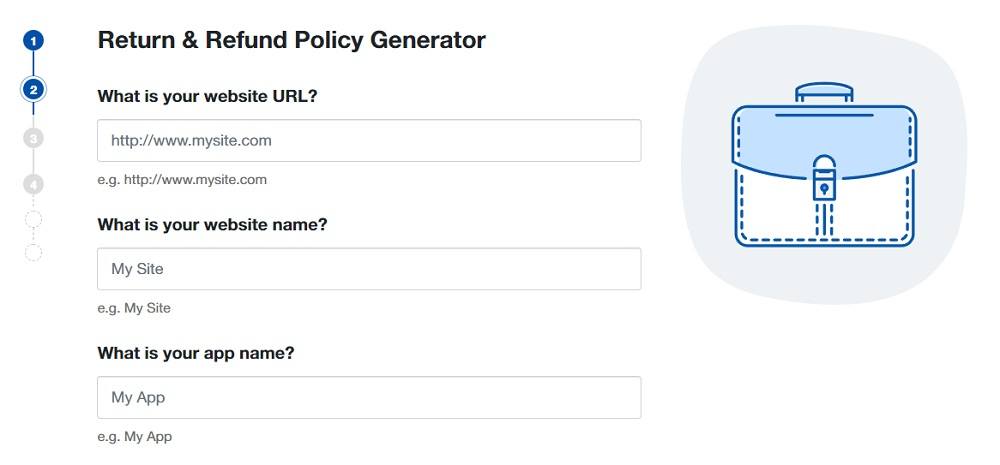
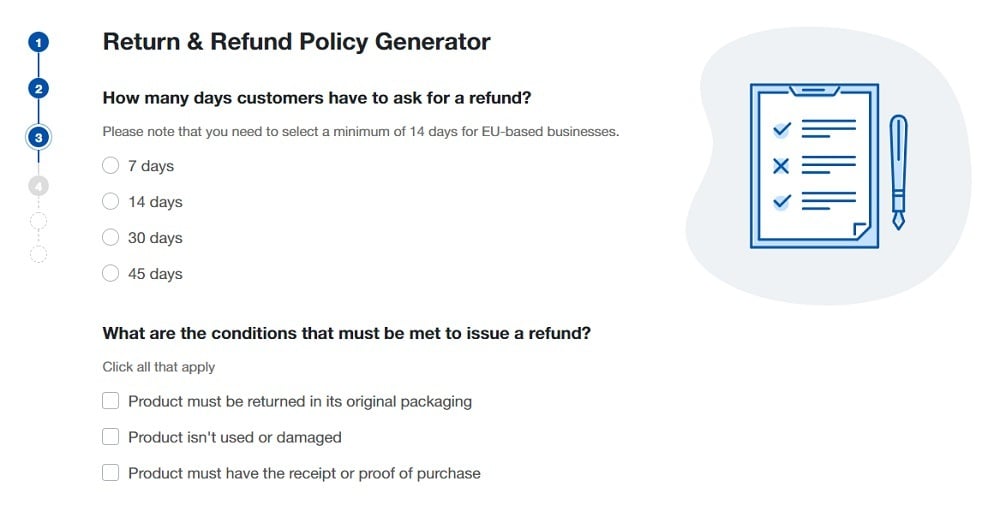
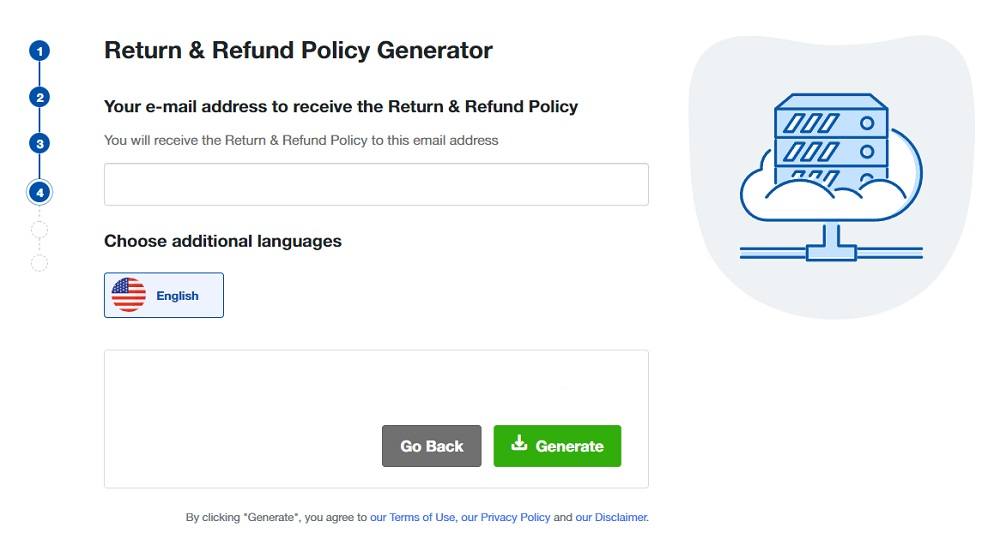
Use our Return & Refund Policy Generator to generate a Return and Refund Policy for your store. Just follow these steps:
On this page≡
A Return and Refund Policy is a policy that dictates under what conditions customers can return products they've purchased from your ecommerce store and whether you'll reimburse them or not. It will also let your customers know the time frame within which your company can accept returns.
Return and Refund Policies for ecommerce stores have been proven to increase the number of people who end up making a purchase once they're on your website.
In addition, having a Return and Refund Policy in place can help reduce your expenses when it comes to return deliveries. For instance, consider the fact that in the United States alone, Statista's statistics show that return deliveries cost businesses $550 Billion between 2017 and 2020.
That's a 75.2% increase over five years ago.
People are often hesitant to buy online, which can lead to low conversion rates and sales. Having this policy helps alleviate some of that hesitation since they know they can return the product and get a refund if their expectations aren't met while making a not-in-person purchase.
Of course, customers may be unhappy with their order for many reasons. It might arrive damaged, it was the wrong size or it didn't meet all their expectations. They may request a refund or a replacement.
These requests can be overwhelming without a system to handle them. Think of all the time necessary to handle customer service emails and the money your company may have to spend to replace the returned product. Now think about those expenses just after Black Friday or Christmas!
Thankfully, the solution is relatively simple. You can make returns and exchanges less of a problem by writing and posting a solid Return and Refund Policy for your website. Moreover, you can help increase customer loyalty and potentially generate new revenue by doing so.
There is no single return rate for ecommerce that you should accept as typical. Return rates for ecommerce vary greatly by product category. Indeed, no two industries are the same.
With that said, some statistics show average return rates for certain product categories, such as the following:
Regardless of the size of your operations, it can be hard to decide the right approach for your business with regard to your Return and Refund Policy.
Many ecommerce companies can't afford to offer free returns like big online retailers. However, that doesn't mean you can't provide your customers with a policy they'll appreciate.
The United States doesn't have a federal law which governs returns or refunds. No state laws require one either, although some states do have regulations about where you must place your policy if you choose to write one. There are also laws in the EU that deal with returns and refunds.
Even if you aren't required by law to have one, there are still good reasons to have a Return and Refund Policy in place.
For example, your customers expect to be informed about your policies and to know that you'll adhere to terms that have become commonplace within the ecommerce industry.
Your Return and Refund Policy should include important details about when you accept returns, what the conditions of return are, and how you issue refunds.
Remember that people are not inclined to read lengthy and boring legal documents online. However, it is vital to give all necessary information.
It's a good idea to divide your Return and Refund Policy into smaller parts. This will make the document easier to read, help customers find what they need, and protect you legally.
When considering what to put in your Return and Refund Policy, think about the fact that there are many advantages to ensuring it is customer-centric. Innovative businesses know that a customer-centric return program is an effective marketing tool.
In other words, the evidence shows that businesses that have a Return and Refund Policy that benefits customers often have higher return purchase rates than those which do not.
A return or exchange may actually cost a business on the first purchase. However, a better customer experience will lead to higher retention rates and long-term revenue growth.
To ensure that happens, here's what you need to know about how to create your Return and Refund Policy.
Before we get into what you should include in your Return & Refund Policy, here's a general rule to keep in mind:
Your Return and Refund Policy should be good to go as long as you ensure the writing is clear, concise, and not open to interpretation.
Letting your customers know precisely how long they have to return a product is a crucial element to include in your Return and Refund Policy. Typically, ecommerce stores offer a 15- to 30-day window in which customers can return a product and ask for a refund. Some businesses extend that period up to 90 days.
Notice how Solo Stove specifies that it will only provide customers with in